
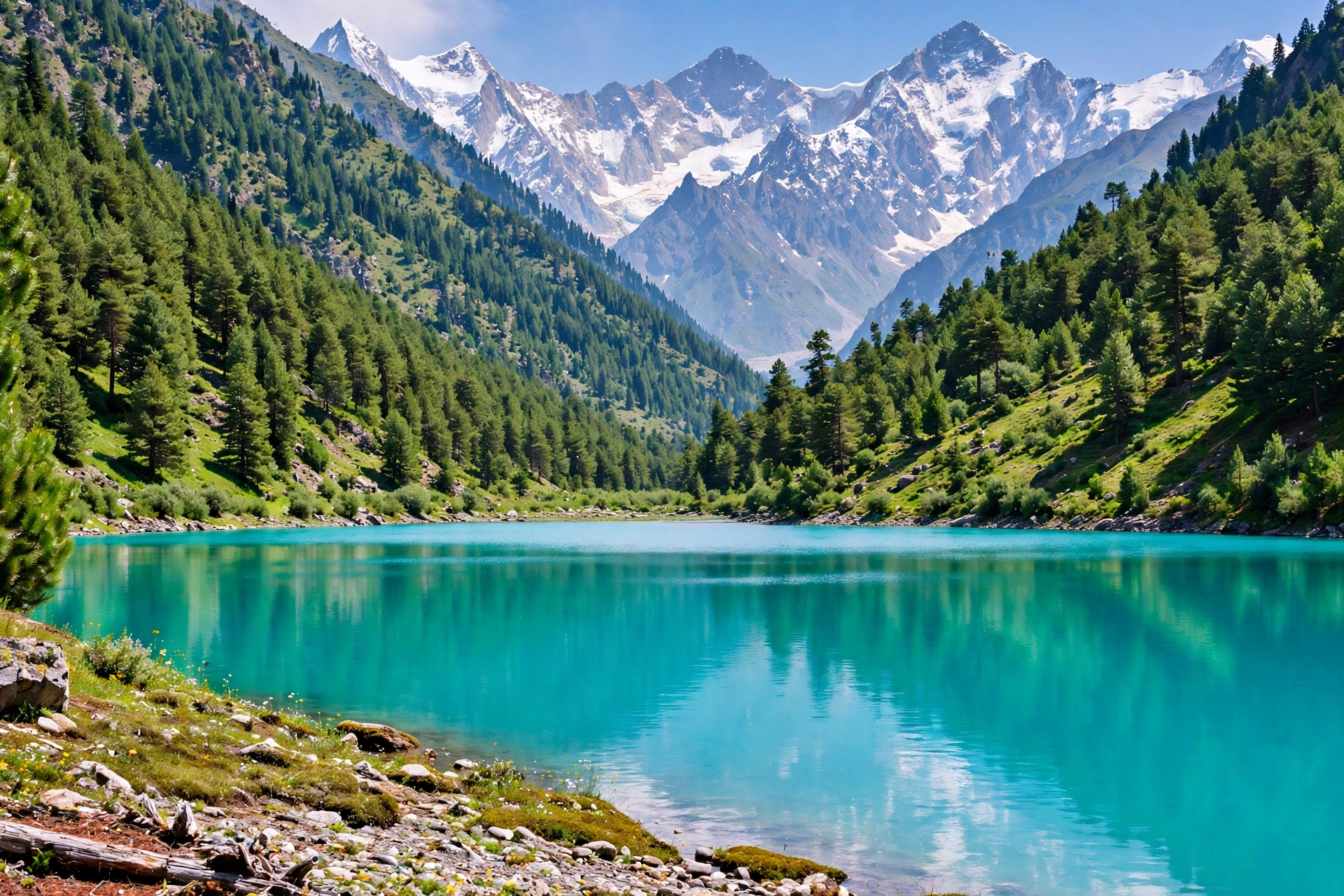

Naltar Valley is one of the quieter escapes in Gilgit-Baltistan. It sits a short drive from Gilgit city, yet it feels a world away from traffic and town life: pine forests climb the valley sides, clear streams run through green meadows, and a string of small lakes changes colour with the light. For travellers who already know Hunza or Skardu, Naltar is a rewarding side trip. For first-time visitors, it is an easy introduction to the high valleys of the north, without the long journey to the more remote corners of the region.
This guide covers what to see in Naltar Valley, how to get there, when to go, and how to plan a smooth visit. It is a planning guide only. Road conditions, lake access and local services can change with the season, so check the current situation before you travel.
Where Naltar Valley Is and Why It Stands Out
Naltar Valley lies in the Gilgit Division of Gilgit-Baltistan, near Gilgit city. The valley is known for its dense pine forests, its alpine lakes and its winter ski slope, a combination that few other valleys near a major town can offer. Unlike the wide, open plains of Deosai or the busy bazaars of Karimabad, Naltar feels enclosed and green, with forested slopes rising steeply on both sides of the road.
What makes Naltar stand out is variety in a small area. In a single day trip, you can walk beside a blue-green lake, stand in a quiet pine forest, cross a flower-filled meadow in summer, and look up at snow-covered ridges. That variety is why the valley suits families, photographers, walkers and anyone who wants a mountain day out without a multi-day trek. If you are planning a wider trip, start with our guides to reaching the region and to the wider valley towns: read How to Reach Gilgit-Baltistan and the Complete Hunza Valley Travel Guide before you fix your dates.
The Lakes of Naltar
The lakes are Naltar’s main attraction. The best known are the colourful lakes reached by jeep track above the main valley: lakes whose water shifts between blue, green and turquoise depending on the depth, the sky and the time of day. The most photographed are often called the Blue Lake, the Green Lake and the Pari Lake, and local drivers and guides know the tracks to each of them. The lakes are small, which is part of their charm. There are no large crowds on the shore, and on a calm morning the water reflects the pines and peaks almost perfectly.
A few practical points matter. The lake tracks are rough in places and are best travelled in a high-clearance vehicle with a driver who knows the route. Walking the last stretch is often part of the experience, so wear sturdy shoes. Keep to the paths, do not disturb the shoreline, and take all litter back with you. The lakes are at altitude, so move slowly, drink water and give yourself time to rest. If you are travelling with children or older relatives, ask your driver or guide which lake is easiest to reach on the day, because conditions vary through the season.
Pine Forests, Meadows and Mountain Air
Between the lakes and the main valley floor, Naltar’s pine forests are worth slowing down for. The forest roads and paths pass through tall pines, open meadows and small streams, and the air is noticeably cooler than in Gilgit city, even in summer. Short walks from the road are enough for most visitors: a forest path, a stream crossing and a meadow picnic give you the valley’s character without a long hike.
For walkers who want more, the valley also offers longer trails towards higher pastures and passes. These routes need proper planning, a local guide and an early start, and they are not suitable as an unplanned afternoon walk. If you are new to mountain walking, read our Packing Tips for Gilgit-Baltistan Mountain Travel before you set out, and tell someone your planned route and return time. Mountain weather can change quickly, and a warm layer, rain protection, sun protection and enough water are essential even on a short walk.
Naltar Ski Slope and Winter Visits
Naltar is also known for winter sports. Its ski slope has hosted national-level winter events, and in snowy months the valley takes on a completely different character: the forests are snow-covered, the lakes freeze, and the road journey itself becomes part of the adventure. Winter visits need extra care. Snow can close or slow the road, daylight is shorter, and warm clothing, suitable footwear and a flexible schedule are essential.
If you are considering a winter trip, check road and weather conditions close to your travel date, and choose a driver experienced in winter mountain driving. Do not assume that summer timings, lake access or services will apply in winter. The reward for the extra planning is a quiet, snow-covered valley that very few travellers see.
How to Get to Naltar Valley
Most visitors reach Naltar from Gilgit city. The journey begins on a metalled road and continues on a mountain road that climbs into the valley, with the rougher lake tracks branching off higher up. A four-wheel-drive vehicle is the usual choice for the full route, especially for the lakes, and hiring a local driver is strongly recommended. Local drivers know the track conditions, the river crossings and the places where the road narrows.
If you are arranging transport through BookMe Baltistan, check the current options on the car pages before booking. For example, you can compare a Toyota Corolla for town and main-road travel with a Toyota Prado for rougher mountain tracks, and check the current price on each page before you book, because prices can change. Start early in the day so you have plenty of daylight for the return journey, and keep your phone charged, although mobile signal in the valley can be patchy.
Travellers coming from further afield usually arrive in Gilgit first and then make Naltar a day trip or an overnight stay. The Gilgit location page is a useful starting point for exploring stays and services around the city, and our Gilgit-Baltistan trip cost guide explains how transport, stays and activities fit into a wider budget.
Best Time to Visit Naltar Valley
Summer and early autumn are the most popular months for Naltar. The road is generally at its best, the lakes are accessible, the meadows are green, and the forests are at their fullest. Late spring brings fresh growth and flowing streams, while autumn adds clear skies and cooler air. These months suit families, photographers and walkers best.
Winter suits a different kind of traveller: someone who wants snow, quiet and winter sports, and who is prepared for cold and possible delays. The shoulder seasons, just before or after the main summer period, can be beautiful but less predictable, so check conditions before you go. Whatever the season, build a spare day into a longer Gilgit-Baltistan itinerary if you can. Mountain travel rewards flexibility, and a spare day turns a weather delay from a problem into a rest day.
Where to Stay and How to Plan a Naltar Trip
Many visitors stay in Gilgit city and visit Naltar as a day trip, which keeps things simple: you return to a wider choice of hotels, restaurants and services in the evening. Others combine Naltar with a wider northern itinerary. If you are heading on to Hunza, for example, the Hunza Valley Tour is one option to compare, and the Hunza location page gives a sense of the valley beyond Naltar. For a different kind of water and mountain scenery, the Skardu location page is a good next stop in planning.
When you plan, keep the day realistic. One or two lakes, a forest walk and an unhurried lunch are a full day. Trying to fit every lake, the ski slope and a long hike into one day usually means rushing the best parts. Pack food and water, because shops in the upper valley are few, and carry cash in small notes as well as a charged phone. If you have questions about booking, stays or transport, the frequently asked questions page covers the basics, and the BookMe Baltistan homepage is the starting point for browsing hotels, tours, cars and activities across Gilgit-Baltistan.
A Simple One-Day Naltar Plan
A relaxed day in Naltar might look like this. Leave Gilgit early in the morning and drive up into the valley, stopping for photographs where it is safe to pull off the road. Spend the late morning at one lake, walking the shore and enjoying the quiet. Have lunch in the valley, then take a short forest walk in the afternoon before returning to Gilgit in good daylight. If you have a second day, use it for another lake or a longer walk, rather than trying to add a distant destination to the same day.
This kind of plan works because it leaves room for the mountain itself: a slow drive, a change in the weather, a longer stop at a viewpoint. Naltar rewards travellers who do not hurry. Take photographs, but also take time to simply sit by the water and listen to the forest. That quiet is what most visitors remember longest.
Practical Tips for a Smooth Visit
First, respect the valley. Naltar’s lakes and forests are fragile, and the local community looks after them. Do not wash vehicles in streams, do not leave food waste behind, and keep noise low near the lakes. Second, travel with a local driver or guide if you are unsure about the tracks. Their knowledge is worth far more than any map. Third, prepare for altitude and sun. The sun is strong at height, even on a cool day, so use sun protection and a hat, and drink water regularly.
Fourth, check official information as part of your planning. The Tourism, Sports, Culture, Archaeology and Museums Department, Government of Gilgit-Baltistan publishes information about the region’s attractions and districts, and it is a useful general reference alongside this guide. Finally, keep your plans flexible. If a track is closed or the weather turns, a shorter walk or a longer lunch in the valley is still a good day in Naltar.
Conclusion
Naltar Valley packs a remarkable amount into a small, accessible valley: colourful alpine lakes, deep pine forests, open meadows, a winter ski slope and views that reward every climb. It is close enough to Gilgit for a day trip, quiet enough to feel like a real escape, and varied enough to suit families, walkers, photographers and winter travellers alike. Plan carefully, travel with local knowledge, leave the valley as you found it, and Naltar will give you one of the most peaceful days of any Gilgit-Baltistan trip.
Disclaimer
This guide is general travel-planning information only. Prices, road conditions, lake access and availability can change, so check the current page before booking. Nothing in this post is a booking confirmation or a price guarantee.
0 Comment